Japanese Learning in Hong Kong
Native Japanese Tutor YOSUKE
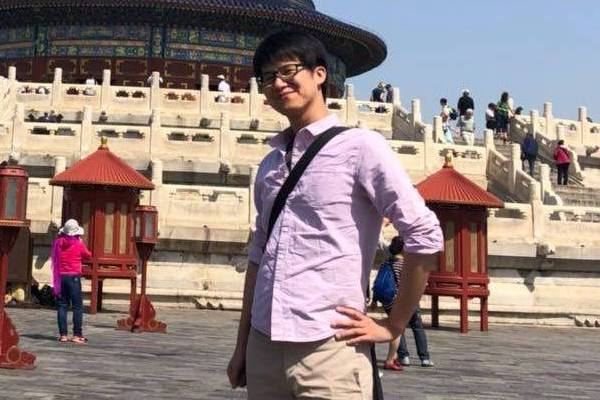
Native Japanese Teacher YOSUKE
Japanese Teaching Experience 5 years
Native Language Japanese
Language Ability Fluent in English Mandarin and German, Basic in Cantonese, Beginner in French and Korean
Born Akita – Japan
Teaching Area Central, Shueng Wan, Wanchai, Admiralty, TST, Chaiwan etc
Japanese Courses Provided by YOSUKE


Hong Kong Native Japanese Tutor YOSUKE
Hello! My name is Yosuke, a native Japanese teacher of “Hong Kong Japanese Tutor”. I was born and raised in Akita, went to university in Nagasaki, worked in Tokyo, then I moved to Taiwan, China, Australia, etc., I guess I have more experiences abroad than ordinary people. I worked as a system engineer in Tokyo, and taught Japanese for 3 years in Taiwan and China (plus three-month experience in Australia as a volunteer).
The students vary in generations (from elderly people to 3-year-old kid), in levels (from beginner to advanced), and in class contents (grammar, dialogue, interview practice, essay practice, CV practice, etc.)
I’m personally really into languages, so I can teach in four languages: Japanese, English, Mandarin, German! My next aim is that I can have the class in Cantonese ;D I’m eager to share fun of languages and cultural understandings with a lot of students. That’s why my class will contain not only grammar, dialogue, but also introductions of Japanese culture, Japanese politics, history, travel spots, in which I hope to attract students’ interests. I’m looking forward to seeing you!
はじめまして。”Hong Kong Japanese Tutor”のYOSUKEと言います。秋田出身、ドイツへ留学、長崎の大学へ進学、東京で就職、その後は台湾、中国、オーストラリアで仕事など、一般の人と比べて海外生活は長いかと思います。東京では3年半システムエンジニアとして勤務、その後は日本語教師として台湾と中国で合計3年(さらにオーストラリアで3ヶ月ボランティアとして)日本語を教えていました。社会人から3歳児!
まで、初級から上級まで様々な生徒に日本語を教え、そのほか日本語での面接練習、論文、履歴書指導の経験もあります。個人的にも語学への関心が強いです。ですので日本語、英語、北京語、ドイツ語など4カ国ごでの授業が可能です。次はこれに広東語を加えるのが私の現在の目標です。(笑)
私の希望は言語や文化理解の面白さを多くの人に伝えることです。ですので日本語の興味を引き出すため、文法や会話練習だけでなく、日本文化紹介、政治・歴史の紹介、旅行名所紹介など様々な内容を授業でも取り入れたいと思います。皆さんにお会いできるのを楽しみにしております。
Private Japanese Lessons and Personalized Programs
My Japanese lesson is usually based on textbook, so that students can learn basic phrases, vocabulary, grammar, etc. However, I can flexibly choose different ways of teaching method specified to each students’ requests.
e.g. grammar-based, travel dialogue-based
Also we can use a lot of tools like pictures, videos, notes and so on.
Japanese Teaching Approach
I would like to improve each students’ strengths, but It’s also important to understand their weak points. Because I believe these two ways will bring them courage in different ways. For example, we might make dialogue-based classes, in demand of students’ interests like culture, travel, academic issues, etc. In order to understand students’ strength and weak points, I would like to make frequent conversations, or discuss the plan to learn Japanese.
基本的には教科書に沿って教えるが、適時イラストやビデオを使用予定。
その他学生の希望に応じ、文法中心・会話中心など学習スタイルは自由に設定可能。
Ask YOSUKE Teacher Japanese Learning Questions
YOSUKE先生へ「に」と「へ」と「まで」の違いについて教えていただけないでしょうか?
YOSUKE先生’s Answer:
ここでは移動に関する意味に限定して考えると、
〜に 場所・到達地点を表す
〜へ 方向を表す
〜まで 特定の到達点・限界・継続を表す
と一般的には説明されます。
この意味においては、〜に と 〜へ は違いが区別されることは少なく、同じような意味で使われることが多いです。
例:公園へ行く ≒ 公園へ行く
例外としては、「公園への道」とは言えても、「公園にの道」とは言えません。
道はある方向へ続くものなので、地点を表す 〜に とは相性が悪いと思われます。
〜まで はそこが到達の限界、終わりまでを表します。
例:公園まで行く
YOSUKE先生へ「は」と「が」の違いについて教えていただけないでしょうか?
YOSUKE先生’s Answer:
様々な解釈がありますが、ここで短く説明すると、
〜は 直後の事柄
〜が 直前の事柄
を強調します。
例:
私は田中です。
(自己紹介で名前を告げる時)
私が田中です。
(誰が田中か聞かれて「私」が名乗り出る時。)
YOSUKE先生へ 「だったら」と「でしたら」の違いについて説明してくれませんか?
YOSUKE先生’s Answer:
どちらも相手の発言に対して自分の意見を続けて言う時の言い方です。
例:
今日はご飯が食べたい。
だったら 今日は牛丼を食べましょう
〜だったらより〜でしたらの方が丁寧な言い方です。
例:
暖かいところに旅行に行きたいです。
でしたら、ハワイはいかがでしょうか。
Ask YOSUKE Teacher Japanese Culture Questions
空気を読む
日本語に「空気を読む」という言葉があります。周りの状況に合わせる、配慮する、またその場で適切と思われる行動をとるといった意味ですが、日本らしさを表すという意味では非常に面白い言葉だと思います。他の言語では該当する言葉がなく、説明を付けないとなかなか伝わらない言葉の一つです。
空気を読む行為の理由については、日本は民族的に均質で人間関係が変わらないことが多く、それで自分の意見を抑えて周りに合わせることが多かったから、という風によく説明されます。反対に異民族と接する機会が多かった中国やアメリカなどは意見をはっきり言うとよく言われます。
皆さんは日本語のどう言う点に日本文化を感じますか?
“Reading the Air” in Japanese Culture
We have a word “Reading the Air” in Japanese language, which means to be situationally aware and attentive to the thoughts, feelings, and needs of the people around you without the need for verbal expression. I think it is quite interesting word of Japanese custom, if you are trying to translate “Reading the Air” into different language, you may not be able to find a right word without explanation.
The reason for the act of “reading the air” is often explained as Japan has always been seen as a ‘homogenous’ country and trying to keep the relationship with the others. The Japanese people often tend to stay quiet and not share their opinions, in Japanese culture, it’s important to adjust yourself to people around you. However, more and more Japanese people have the chances to meet Chinese or American people, we feel Chinese or American people speak their opinions more clearly.
What do you think about Japanese culture then?



Stay in Touch
RSS
Facebook
Twitter
Google +1