Japanese Course in Hong Kong
Private Japanese one on one course
We are a group of native Japanese tutors living in Hong Kong and offering one on one private Japanese course for Japanese language learners, we speak fluent English, Cantonese, Mandarin or other language such as French, Korean. Your private Japanese lessons can be conducted in Japanese only with English, Cantonese or other language you speak for supplementary, we are focus on Japanese oral speaking OUTPUT language for the students. Unlike the Japanese language schools, we do not teach Japanese following the same textbooks and teaching Japanese in the same teaching style, if you have your favourite Japanese learning textbooks, please feel free to let us know, we will follow the book you would like to learn to teach you. We also adjust our teaching style according to each individual students. Please let us know your learning Japanese weakness and what aspect of learning you would like to improve, listening, speaking, vocabularies building, writing or KANJI learning, we will focus on your weakness and provide your customized Japanese lesson for you.
The goal of us is to teach Japanese and Japan’s unique culture to students of all ages and skill levels. Whether you are headed to Japan on business, planning a vacation, or are simply interested in learning a new language, or looking for a home Japanese tutor for your kids, or you are planning to take Japanese language exams, such as DSE Japanese, EJU Japanese, JLPT Japanese etc, we will help you gain the rewarding skill of understanding and speaking a new language. Enjoy one on one private Japanese tutoring or learning with your friend and being taught by a native Japanese speaking instructor. We offer different proficiency levels to help guide you through your learning.
Japanese Culture Experience: You will enjoy not only learning the language, but becoming familiar with Japanese art, music and cuisine.
Japanese Teaching Approach
As We believe teaching does not happen without students’ learning and understanding, our lessons are designed in a way that highlights your questions, struggles and requests, etc. in your process of studying Japanese; at the same time, we highly value interactions with our students by making your actively participate in what we do throughout each lesson. By taking this learner-centered approach, we intend to facilitate your learning skills, including the abilities to use and apply your knowledge, in addition to helping you build practical Japanese skills.
Besides textbooks to follow, we provide supplementary materials, like worksheets and notes that are created based on the weaknesses and/ or the level of each student.
Japanese Course in Hong Kong provided by native Japanese tutors
AYAKO
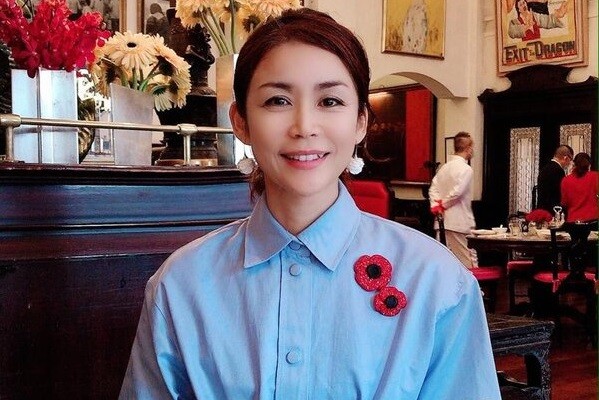
Private Japanese Tutor AYAKO
Japanese Teaching Experiences 8 Years
Language Spoken Cantonese, Mandarin, English,Standard Japanese,Kansai Direct
Born OSAKA – JAPAN
KAZUHIKO

Private Japanese Tutor KAZUHIKO
Japanese Teaching Experiences 3 Years
Language Spoken Business English,Standard Japanese,Kansai Direct
Born OSAKA – JAPAN
Japanese Teaching Time Monday to Friday Before 15:00
Japanese Course Business Japanese, Japanese for overseas Japanese kids
SAKI
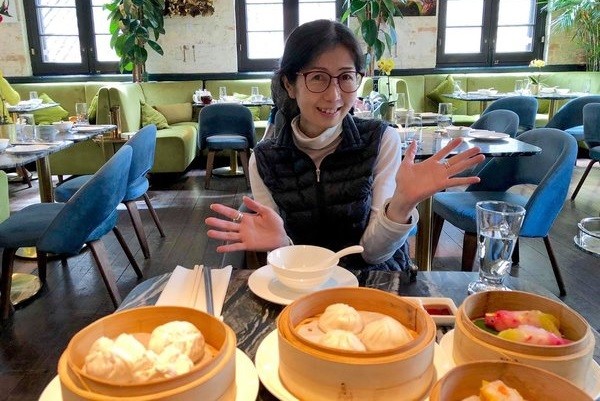
Private Japanese Tutor SAKI
Japanese Teaching Experiences 3 Years
Language Spoken Fluent Cantonese,Fluent English,Standard Japanese
Born KAGAWA – JAPAN
CHIKA
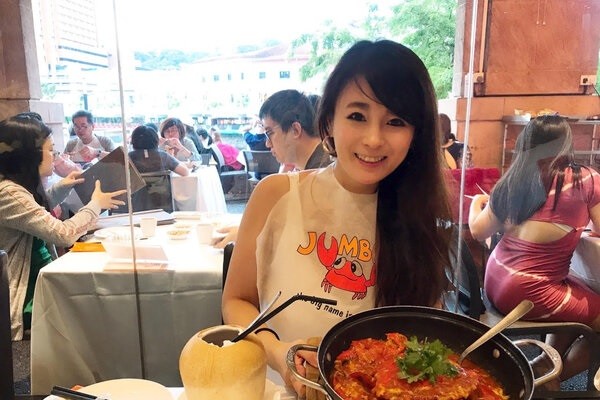
Private Japanese Tutor CHIKA
Japanese Teaching Experiences 1 Year
Language Spoken Fluent English,Standard Japanese,Basic in Mandarin & French & Korean
Born TOKYO – JAPAN
Japanese Course in Hong Kong
Many of Japanese tutors are holding Japanese teaching certificate with Japanese teaching experiences at Japanese language schools in Hong Kong
Ask Japanese Grammar Questions
「ありがとうございます」と「ありがとうございました」の違いについて教えていただけないでしょうか?
Japaense teacher’s Answer:
「ありがとうございます」は、一般的に感謝の対象がこれから起こることであったり、それが直後に起きた場合に使われます。例えば、相手に頼み事をし、承諾をもらった時。あと、プレゼントを手渡された時や、電車で席を譲られたときなど、「ありがとうございます」と言いますね。電話に応答する際も、「お電話ありがとうございます」が適当です。
「ありがとうございました」は、主にすでに完了したことを対象に使われます。例えば、支払いを済ませて店を出るお客さんを見送る際、「ありがとうございました」を使うことが多いです。電話を切る時は「お電話ありがとうございました」と言いますね。
「ね」と「よ」と「わ」の違いについて説明してくれませんか?
Japaense teacher’s Answer:
これらの単語は、ニュアンスの違いで使い分けがされています。
「〜ね」は相手が知っているであろうことについて話す場合に使われ、「〜よ」は相手がまだ知らないであろうことを教えてあげる場合に使われます。
例)香港に住んでいる人に「香港はにぎやかな場所ですね」。
まだ納豆を食べたことが無い人に「納豆はネバネバして、独特な味がしますけど、健康にとてもいい食品ですよ」など。
そのように、「そうですよ」と「そうですね」の意味合いにも違いが出てきます。
まず、「そうですよ」は相手が言ったことが正しく、それが合っているということを伝える場合に使われます。
例)「あなたはあやさんですか?」「はい、そうですよ」
これに対し、「そうですね」は相手が言ったことを既に知っていたり、それに同意する場合に使われます。
例)「今日はいい天気ですね」「そうですね」
Japan Cultural Sharing
日本には、精神性を重んじる文化が強く根強いていると思います。それは、古来から親しまれている行事や作法、慣習などに深く現れています。例えば、茶道や柔道、書道などの「道」がつくものには皆それぞれの哲学があり、それらの道を究めていく過程で、謙虚さや感謝の心、規律などを身につけていきます。また、祭事や伝統行事では、様々な形式を通して樹々や石、川など自然のものすべてに宿っていると信じられている神々や先祖に感謝する風習があります。伝統として受け継がれて来たこれらのしきたりには、共通して精神文化の尊さや豊かさを追究する志向があります。しかし、時代が変わり、何事にも国際性や効率を求められる今、古来から尊ばれていた精神文化が廃れつつあり、日本文化の基盤となるものを今一度確かめる必要性が出てきていると思います。日本語を教える際、言葉の由来や時代背景、そして日本文化について触れることも授業の大切な一環として考えています。
Other Private Japanese Tutors you may feel interested



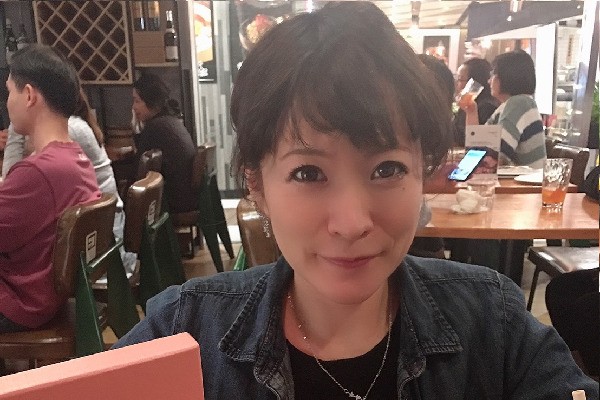
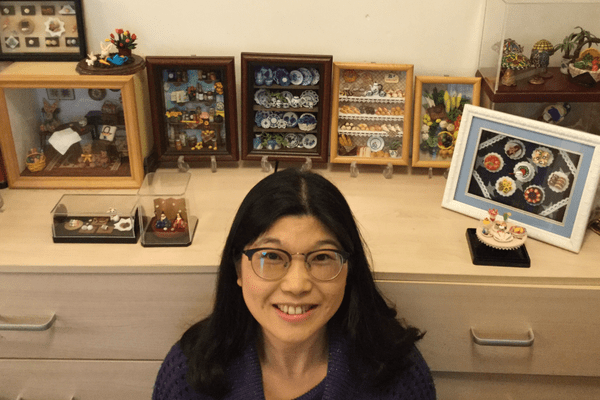
Around 30 native Japanese tutors living in Hong Kong, offering one on one private Japanese for home tutoring, online Japanese lessons, most of us have teaching experiences between 3 years to 13 years, some of us have Japanese teaching experiences at schools in Hong Kong, familiar about Hong Kong students’ weakness of learning Japanese. For more detailed information, please checkPrivate Japanese Tutor Hong KongChoose your right home Japanese tutor NOW!
Did not find your favorite Japanese teachers? Don’t worry, write to us now!
Contact Us Now


Stay in Touch
RSS
Facebook
Twitter
Google +1