
Japanese Classes Wan Chai
Japanese Tutor SAKI
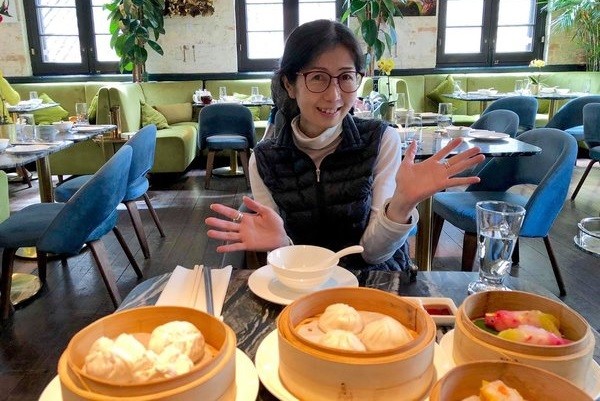
Causeway Bay Japanese Teacher SAKI
Japanese Teaching Experience 3 years
Native Language Japanese
Language Ability Fluent in English Fluent in Cantonese
Born KAGAWA – Japan
Japanese Language School Teaching Experiences YES
Teaching Area Causeway Bay, Wan Chai, North Point, Fortress Hill, Admiralty, Taikoo etc
Japanese Classes Provided by SAKI
Japanese Classes Wan Chai
I am Saki as a native Japanese tutor. First, let me introduce myself. I came from west Japan area. I like eating and music very much. I was a coordinator, I also was a tour guide and tour escort before, singing a song at live house and voicesover sometimes.
I would like to teach you more useful travel Japanese, Standard clear pronunciation And how to sing a Japanese songs, Like a animations songs, old pop songs, J-rock etc.. Please let me know what you want learn for and your targets. I will try to more best way for you. Hope to see you soon!
私は、日本語教師のSAKIと申します。まずは、自己紹介をさせてくださいね。私は西日本からまいりました。食べることと音楽が大好きです。通常は、様々なコーディネーターをやっていますが、以前は、旅行のガイド添乗員などもやっていました。そして、時々、声を使う仕事やライブハウスで歌を歌ったりしています。
私は皆さんにぜひ、旅行で使える日本語会話や日本語のきれいな発音、そして、日本語の歌が歌いたい人のために、アニソンや、昔なつかしい歌、J-rockなどの歌い方などをぜひ、教えたいと思います。皆さんが、どういったことを習いたいかなどや、目標をぜひ、教えていただいて、できるだけそれが達成できるように一緒に頑張りたいと思います。では、皆さんにお会いできるのを楽しみにしております。
Japanese Teaching Approach
生徒さんによって教科書、絵本、図表、フラッシュカードなどを使用し、オーダーメイドスタイルになります。
Ask Japanese Teacher Japanese Learning Questions
先生へ「イエ(家)」・「ウチ」の違いについて説明していただけないでしょうか?
先生’s Answer:
「家」は主に建物の意味で使うことが多い
「ウチ」は家庭や家族の意味で使うことが多い。
先生へ 「気持ちが悪い」・「気分が悪い」の意味の違いについて説明していただけないでしょうか?
先生’s Answer:
「気持ちが悪い」
自分や他者に原因があった時、自分にとって不快に感じる時に使います。感情的な表現。
「気分が悪い」
自分自身の心身の状態が不調の時に使います。生理的な表現。
先生へ「開く」と「開ける」の違い、使い方について教えていただけないでしょうか?
先生’s Answer:
「ひらく」「ひらく⇔とじる」ものに使います。
本、ロッカー、傘など開閉が常に表裏の関係のものに使い、障害をなくして開放した状態にする、広げる意味合いもあります。
「あける」「あける⇔しめる」ものに使います。
仕切りや隔てを取り除いて空間を作ること、中のものをあらわにする、という意味合いもあります。
缶詰や壁の穴など、あけて、しめることが前提ではないものにも使います。
Ask Teacher Japanese Culture Questions
歌舞伎
歌舞伎は、日本固有の演劇で伝統芸能のひとつです。歌舞伎の語源は「かぶく」。流行の最先端の奇抜なファッション、世間の常識はお構いなしの「かぶき者」の斬新な動きや派手な装いを取り入れた「かぶき踊り」が、「歌舞伎」のルーツです。流行を取り入れ人々を楽しませる歌舞伎を構成するのは、芝居、踊り、音楽、これらが総合芸術となって人々を魅了しています。歌舞伎の特徴の一つに女形(おんながた)があります、女性の役もすべて男性が演じます。男性がどう演じれば女性らしく見えるのか、演技、衣装やかつら、化粧など何百年にもわたり研究し、受け継いできました。絢爛豪華な衣装も見どころです。


30+ native Japanese tutors living in Hong Kong, we are providing one on one private Japanese tutoring, online Japanese lessons, kids Japanese lesson, most Japanese tutors have teaching experiences between 3 years to 13 years, some teachers have school teaching experiencesHong Kong Japanese Tutorfind your right Japanese tutor today!!
The other Japanese teachers you are interested





Stay in Touch
RSS
Facebook
Twitter
Google +1